Christmas Is Banned 1659: How the Fairbanks Celebrated Christmas in the 1600s
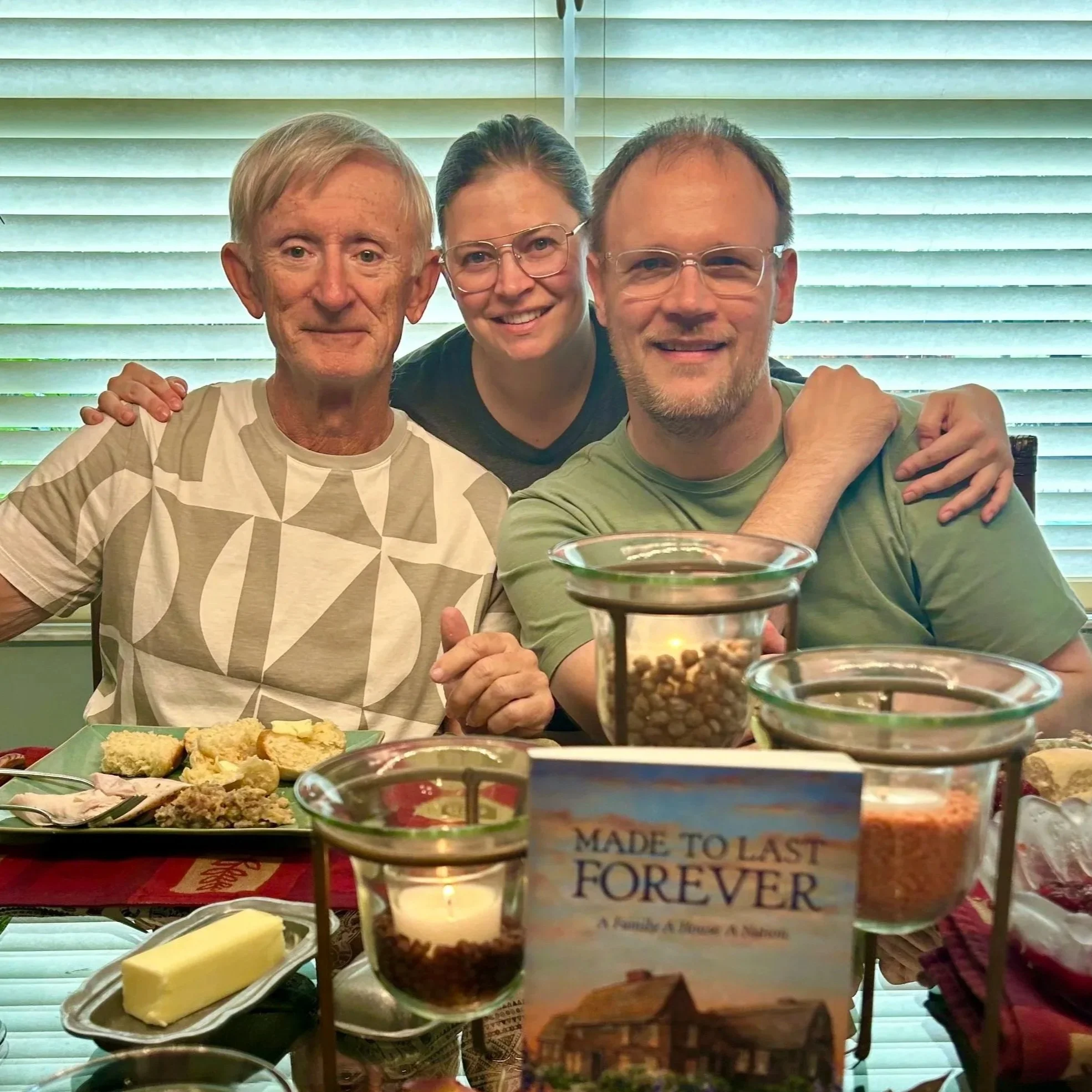
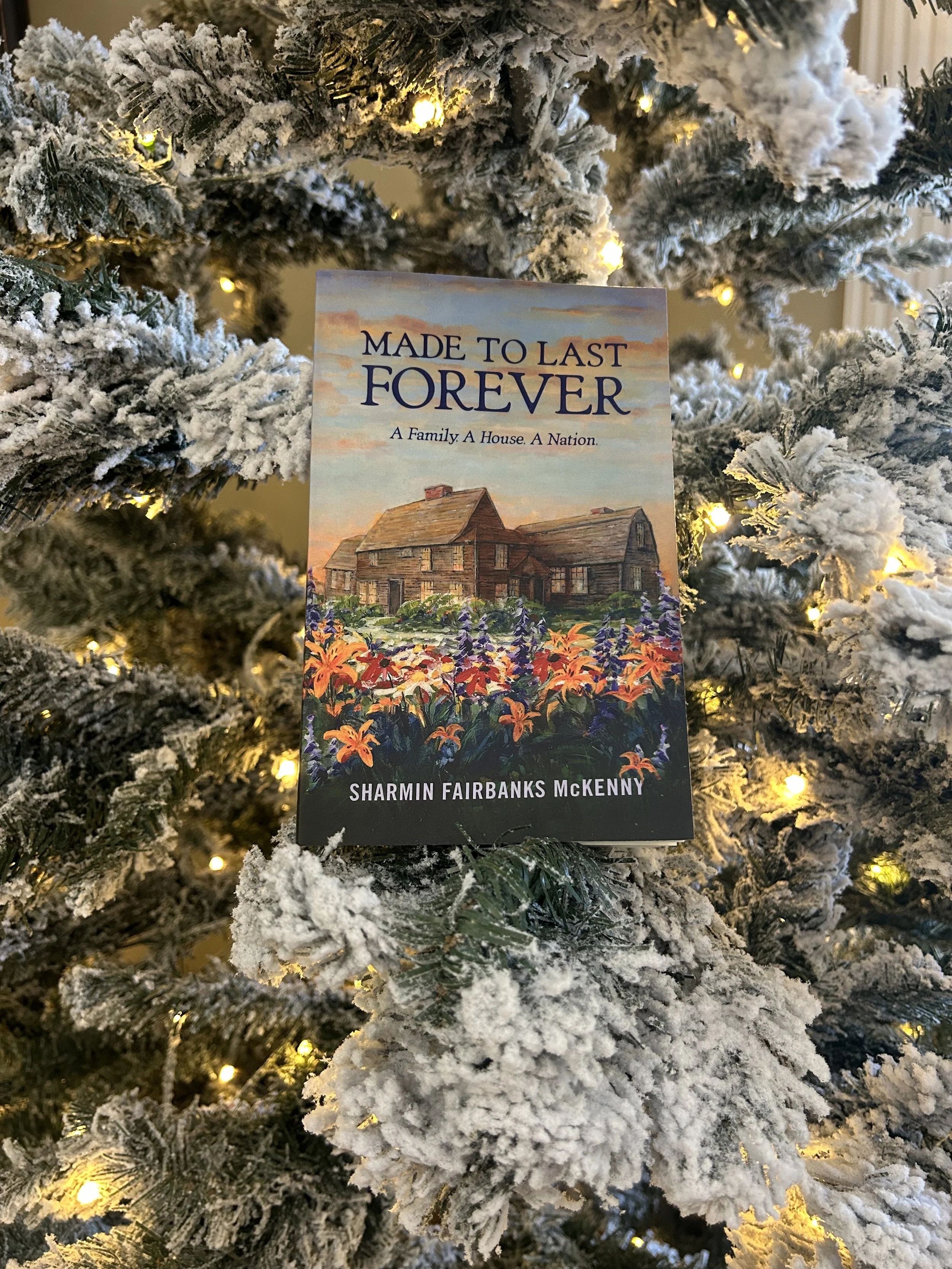
Don’t let this Christmas be banned. Share the family traditions and joys of the Yuletide as you celebrate with your family and friends. Enjoy learning about the early Fairbanks family in the budding Massachusetts Bay Colony in “Made to Last Forever” and share it with your family this year.
Banning of Christmas 1659
In 1659, Christmas was banned in Massachusetts Bay Colony and Plymouth. During the ban, normal life and work continued during Christmas Day and the days surrounding it. There was no feasting or merriment. Fines were levied on anyone who celebrated during this time. The ban was not lifted in Massachusetts Bay Colony until 1681, thirteen years after Jonathan Fairbanks died.
The legal ban of Christmas started in England in 1647, soon after King Charles I was dethroned. The Puritans were not opposed to drinking, music, dance, clothing, etc., but only in moderation. They refuted excessive ways in all life. The Puritans felt that Christmas had become an excessive way to observe the season with no religious basis for the celebrations. Their whole religion was based upon what was found in the scriptures in the Bible. That was their guide for living. Any exaggeration of this was frowned upon. Mumming and wassailing, excessive drinking, gambling and feasting on Christmas couldn’t be found in the Bible.
So, what are mumming and wassailing? How did they become excessive? Mumming was men or women with blackened faces, sometime in costume, going to other homes sweeping and tidying the hearth for good luck while humming, then they asked for money. It escalated to men dressing as women and women dressing as men putting on skits. That alone was not a crime. Shakespeare’s casts had men dressed as women. However, during the Yuletide holiday the costumed people went to the more affluent homes to perform. In return, they demanded food, drink and money. Not just handouts, but the fare expected by family and friends of the household. Apparently, this met with mischief within the houses, as well as, trickery and vandalism if the demands were not met.
Wassailing was much the same. Carolers went from house to house singing in hopes for food or drink. Wassail was made of sweetened apple cider, cinnamon and spices, often with an alcoholic content. No doubt extensive caroling led to extensive drinking and other antics.
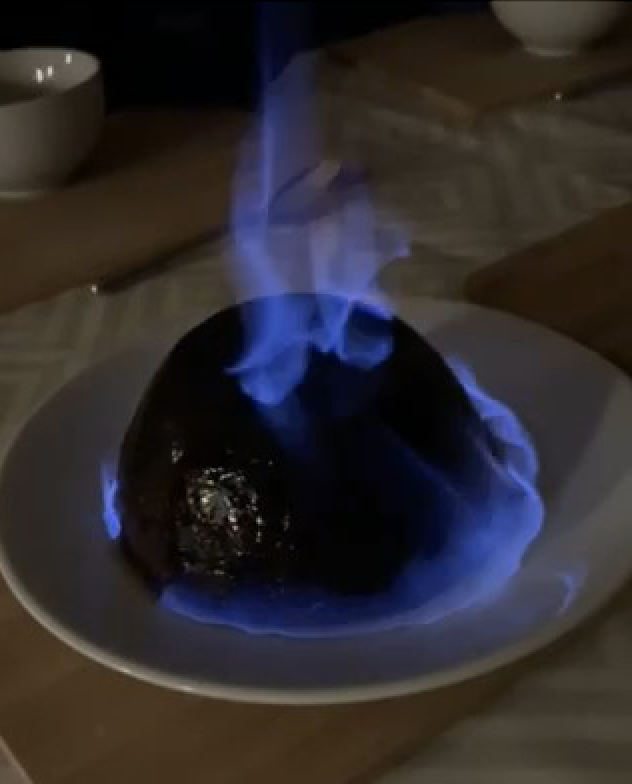
Figgy pudding took days to prepare. The whole family took turns stirring it.
At Massachusetts Bay Colony, there were rigid standards for keeping the communities congruously Puritan. This meant that excesses weren’t seen until much later than in England, possibly delaying the need for laws and fines for Christmas activities until 1659. It appears that the quiet family observances such as the Yule log and Yule candle, figgy pudding, and other traditions weren’t scrutinized if outward celebration didn’t take place.
The Fairbanks family may have had quiet observances of their traditions such as bringing evergreens into their homes. For good luck or to dispel bad luck, they saved the Yule log from the previous Christmas as the starter log for the current Christmas and saved the Yule candle remnants to make the Yule candle for the next year. These and making figgy pudding demonstrated the superstitions of bringing good luck for the new year. The shared responsibility of figgy pudding meant no one dared to stir it in the wrong direction. Though the Christmas banning law and fine was repealed in 1681 in Massachusetts, the belief of moderation made many reluctant to celebrate openly until 1856.
“A local view of Carols and Christmas”: Speaker: Diana Monahan http://www.hebdenbridgehistory.org.uk/news-reports/carols.htm
History.com: When Massachusetts banned Christmas by Christopher Klein
https://www.history.com/articles/when-massachusetts-banned-christmas
Massachusetts Law Banning Christmas
https://www.mass.gov/news/massachusetts-law-banning-christmas
“The Years Without Christmas: Puritans Against the Holiday in colonial New England”
https://ancestralfindings.com/years-without-christmas-puritans-holiday-colonial-new-england/
“We Won’t Go Until We Get Some: New England Colonial Christmas Traditions.” New England Historical Society. http://www.newenglandhistoricalsociety.com/wont-go-get-new-england-colonial-christmas-traditions/
The Fairbanks Family and the Banning of Christmas.
Facts in “Made To Last Forever”.
Leading up to the 1659 ban of Christmas in the Massachusetts Bay Colony (MBC), Jonas spent two years at Hammersmith near Salem, now Saugus Ironworks, NPS. Some of the men who came to work at the ironworks were specialists in iron refining and foundry who came from other places. They brought different, not Puritan, cultures with them. The workers’ expertise exceeded the necessity for them to follow the accepted religious practices when developing the first successful ironworks in the colonies. However, they were often called to Essex County Quarterly Court. The ironworkers created an ironworks that rivaled the top 10-12 ironworks in the world at that time.
We see that the Fairbanks family settled in the strongly Puritan society of Dedham, which had laws against allowing people to join or infiltrate their village who didn’t have the same religious beliefs as did many other MBC villages. No doubt that may have impacted Jonas’s relationship with his family and possibly in the community. It must be noted that another Dedham man near Jonas’s age, Robert Crossman, also went to Hammersmith with Jonas and was asked to help Dedham erect a mill after his return to the village.
We see that the Puritans denounce excesses. At that time, great boots, boots made of fine leather that would fold up over the knee for riding and down below the knee for walking, were considered a luxury of the wealthy or prestigious. As you will see in the book, this too may have had a strong impact on the Fairbanks family relationships.
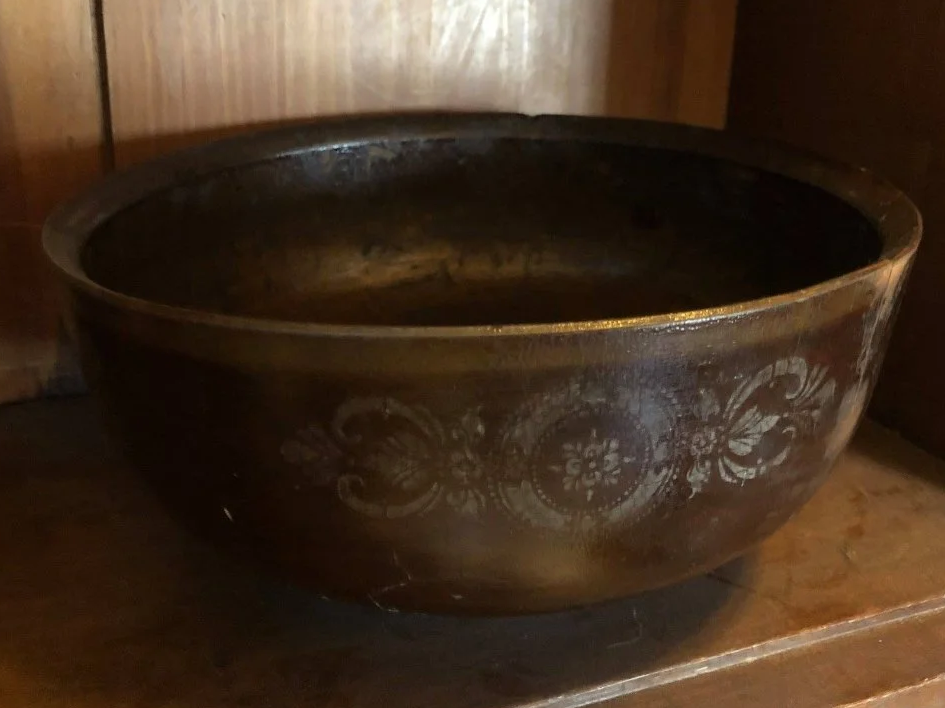
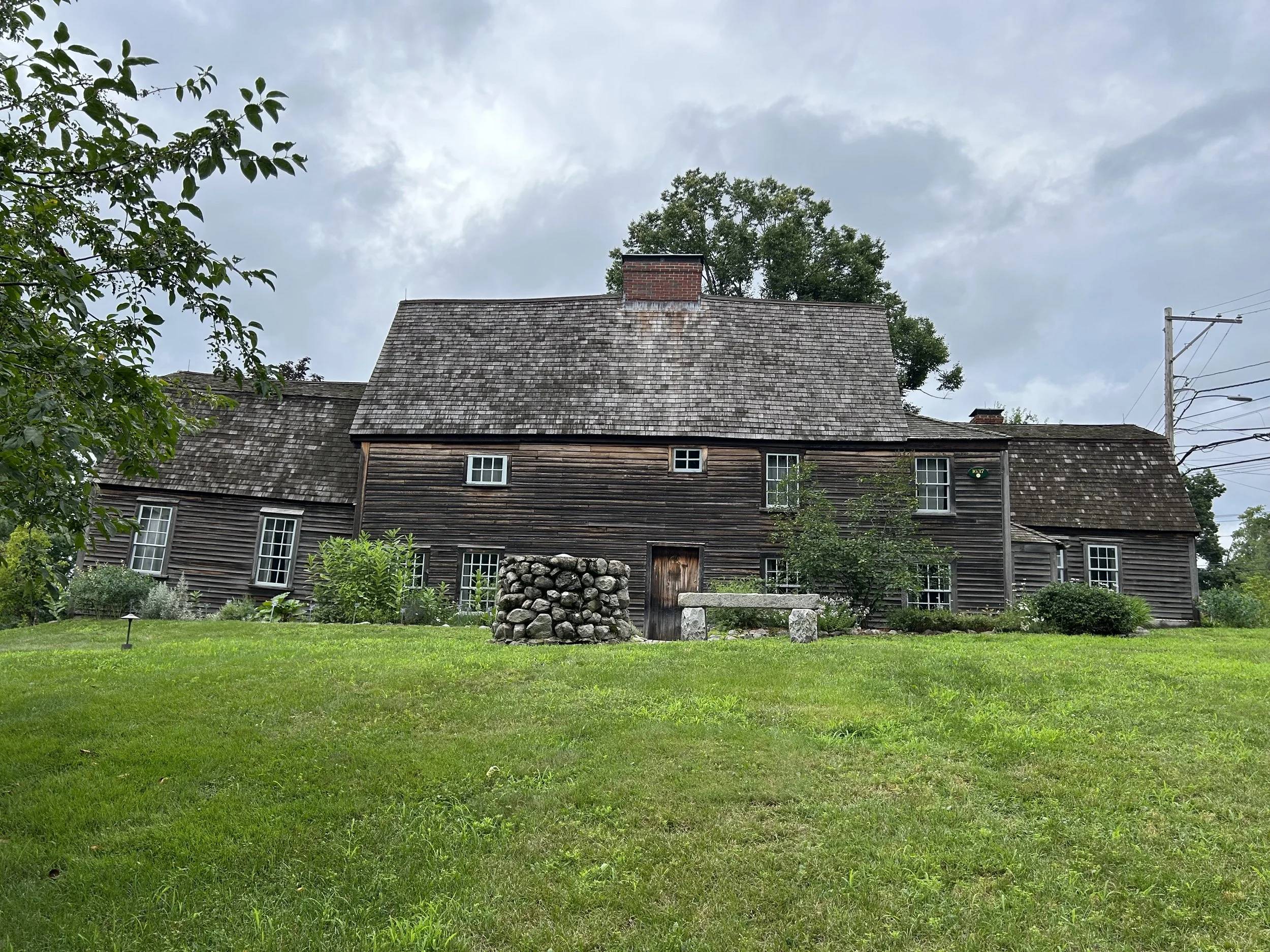
The mazer bowl at the Fairbanks House
fairbankshouse.org
Made To Last Forever: A Family. A House. A Nation. represents the subdued traditions of Christmas that may have been celebrated by the Fairbanks before or even after the ban. The book uses the mazer bowl and its symbolism of solidarity to represent the strength of the Fairbanks family ties. Mazer bowls were used between military leaders and their soldiers or large landowners and their tenants and workers as a demonstration of fidelity. Though the relationships are unclear, other Fairbanks in England near the area that Jonathan’s family lived had wills that passed down wooden mazer bowls with inlaid silver. The bowl that is at The Fairbanks House is not believed to be one of these bowls.
By 1658 Jonas was finally married. At 33 years old, he was the last of the Fairbanks children to marry. It must have been a relief to the family. In early 1659, Martha, who was taken into the Fairbanks family young but not known to be formally adopted, married a family friend, Benjamin Bullard and moved next door to George Fairbanks’s family in the Medfield area.
Later that year, in July of 1659, Susan, the second daughter and 5th child, was probably due to deliver her sixth child, based on the spacing of her children. That is the same year that the banning of Christmas was announced in the Massachusetts Bay Colony.
The impact of these events was magnified by other happenings around them. See this played out in Part IV of Made to Last Forever: A Family. A House. A Nation.
Hartley, E. N. Ironworks on the Saugus. Norman: University of Oklahoma Press, 1957.
Hill, Don Gleason. The Early records of the town of Dedham, Massachusetts. Vol. III. Dedham, 1892.
Last Reminder of Seasonal Speacial
I hope you can share the early Fairbanks Christmases with your family this holiday. Perhaps choose to adapt a tradition from the past or just appreciate what we have today as compared to the early days in the Massachusetts Bay Colony.
From December 2025 to January 1, 2026, receive an author book plate for each book you order when ordering two or more. Just send a picture of the books or receipt using the contact button, and you’ll get an adhesive author book plate for each book. The book plate will be sent out immediately, but because of holiday USPS traffic, no guarantees will be made to when you will receive them.
Author Book Plate
Available December through January
Author book plates are adhesive sheets that fit on the title page
It contains:
The author’s signature
Room for your short personal message and signature
Likeness of Jonathan Fairbanks’s signature found on a 1662 document
Likeness of Jonathan Fairbanks’s wax seal found in script on his 1668 will
Have a wonderful holiday season with your family. Celebrate being a family and having a rich heritage to share.